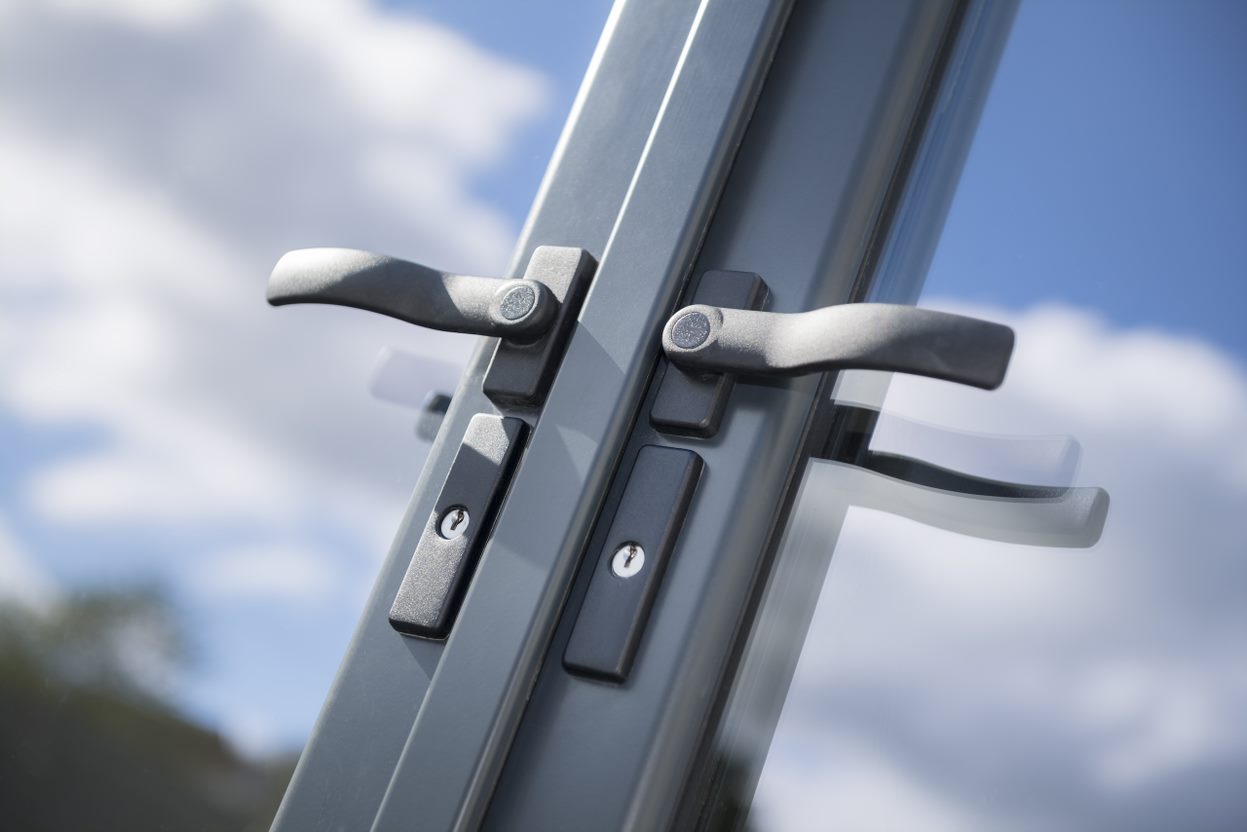
A Step-By Step Guide To Best Door Handle Repair


The Ultimate Guide to Door Handle Repair: Tips, Techniques, and Recommendations
Door handles serve not only as practical hinges permitting us gain access to but also as essential elements in the overall aesthetic appeals of a door. A malfunctioning door handle can be both frustrating and troublesome, triggering security concerns or a total inability to open or close a door. This post will delve into the best door handle repair techniques, allowing homeowners to fix or change their door handles efficiently and financially.
Comprehending Common Door Handle Issues
Door handles may malfunction for a variety of reasons. Acknowledging the symptoms is the first action in effective repair. Here are some common problems that users may experience:
- Loose Handles: Often brought on by screws that have come undone.
- Stuck or Jamming Handles: This is normally due to debris or misalignment.
- Broken Internal Mechanisms: Worn-out springs or quickly degrading internal elements.
- Surface area Damage: Scratches, damages, or discoloration can develop, affecting looks.
Understanding what is incorrect with a door handle is important in identifying the very best repair technique. Here are some normal approaches of repair:
1. Tightening Loose Handles
When a door handle feels unsteady, the problem is typically basic to solve with a screwdriver. Loose home improvement door handle repair might simply need tightening screws, which must be occasionally examined to guarantee continued usability.
Steps:
- Identify the Screws: Locate the screws holding the handle in place.
- Utilize a Screwdriver: Tighten the screws carefully however avoid over-tightening, which might strip the screws.
- Test the Handle: Confirm that the handle operates efficiently after change.
2. Fixing Stuck or Jamming Handles
If the handle sticks or jams, it's important to detect whether it's a positioning issue or obstructed by dirt and particles.
Actions:
- Clean the Area: Use a soft cloth to eliminate any dirt or particles around the handle.
- Check Alignment: If misalignment is kept in mind, changes might be made to the hinges or lock mechanism.
- Lubricate: Applying a little amount of lubricant to the moving parts might minimize any sticking.
3. Fixing Broken Internal Mechanisms
If the handle has a broken internal mechanism, it may need more comprehensive repair or replacement.
Actions:
- Disassemble the Handle: Remove screws and take the handle apart carefully.
- Examine Components: Check the springs and internal pieces for wear or damage.
- Change Damaged Parts: If individual components are damaged, get in touch with a local hardware store for replacements or consider a complete handle replacement.
4. Dealing With Surface Damage
For scratches or surface acnes, different touch-up techniques can work marvels without requiring a complete replacement.
Steps:
- Use Touch-Up Paint: Color-matching paint can be used to hide small scratches.
- Think about Polishing: For tainted metal, a high-quality metal polish can bring back shine.
- Replacement: If damage is beyond repair, check out changing the handle entirely.
When to Consider Replacement
In some cases repair isn't the best choice. Knowing when to replace a handle can save you both money and time in the long run. Secret indicators for replacement include:
- Severe Damage: If the handle is broken beyond repair, replacement is necessary.
- Old Fixtures: Outdated handles can decrease a home's appeal; changing them might enhance total visual appeals.
- Frequent Issues: If a handle needs continuous fixing, it may be time to invest in a brand-new one.
Comprehending Types of Door Handles
Different door types require specific handle types. Here are a few common handle varieties:
- Lever Handles: Commonly utilized in commercial and residential spaces for simple gain access to.
- Knob Handles: Traditional style typically discovered in older homes, but can be difficult for some to comprehend.
- Deadbolts: Offers increased security; typically utilized together with a basic handle.
- Smart Handles: Electronic technologies that enable keyless entry, significantly popular in modern homes.
Preventative Measures
After repairs or replacements, taking actions to keep door handles can prolong their life. Here are some preventative measures to consider:
- Routine Checks: Periodically inspect door handles for any signs of wear or loosening.
- Keep Clean: Regularly clean and lube moving parts to avoid buildup.
- Prevent Excessive Force: Be cautious when utilizing force; gentle handling lessens wear and tear.
Frequently Asked Questions (FAQs)
Q: How much does it cost to change a door handle?
A: The cost can vary considerably based on the kind of handle, quality, and installation fee, with rates varying from ₤ 10 for standard handles to several hundred dollars for high-end or smart handles.
Q: Can I fix a door handle myself?
A: Yes, lots of minor repairs can be done by house owners with standard tools. Just consider hiring a professional for substantial repairs or if you feel unpleasant troubleshooting the problem.
Q: How do I pick a new door handle?
A: Consider the style, product, cost, and performance. Guarantee the new handle fits the door's specs and matches the home's decor.
Q: What tools do I need for door handle repair?
A: Basic tools generally include a screwdriver, lubricant, and potentially a wrench or pliers for certain handle types or mechanism modifications.
Q: How typically should I examine my door handles?
A: It's advisable to occasionally check door handles, specifically during seasonal home maintenance checks, ensuring they remain in good working order.
In conclusion, while door handle repairs might appear daunting at first, they typically present basic solutions that can be tackled by house owners with minimal tools. By understanding common issues and learning efficient repair methods, keeping door handles becomes an uncomplicated process. Whether tightening screws, lubricating mechanisms, or considering replacements, appropriate care will make sure smooth and reliable functionality for several years to come.